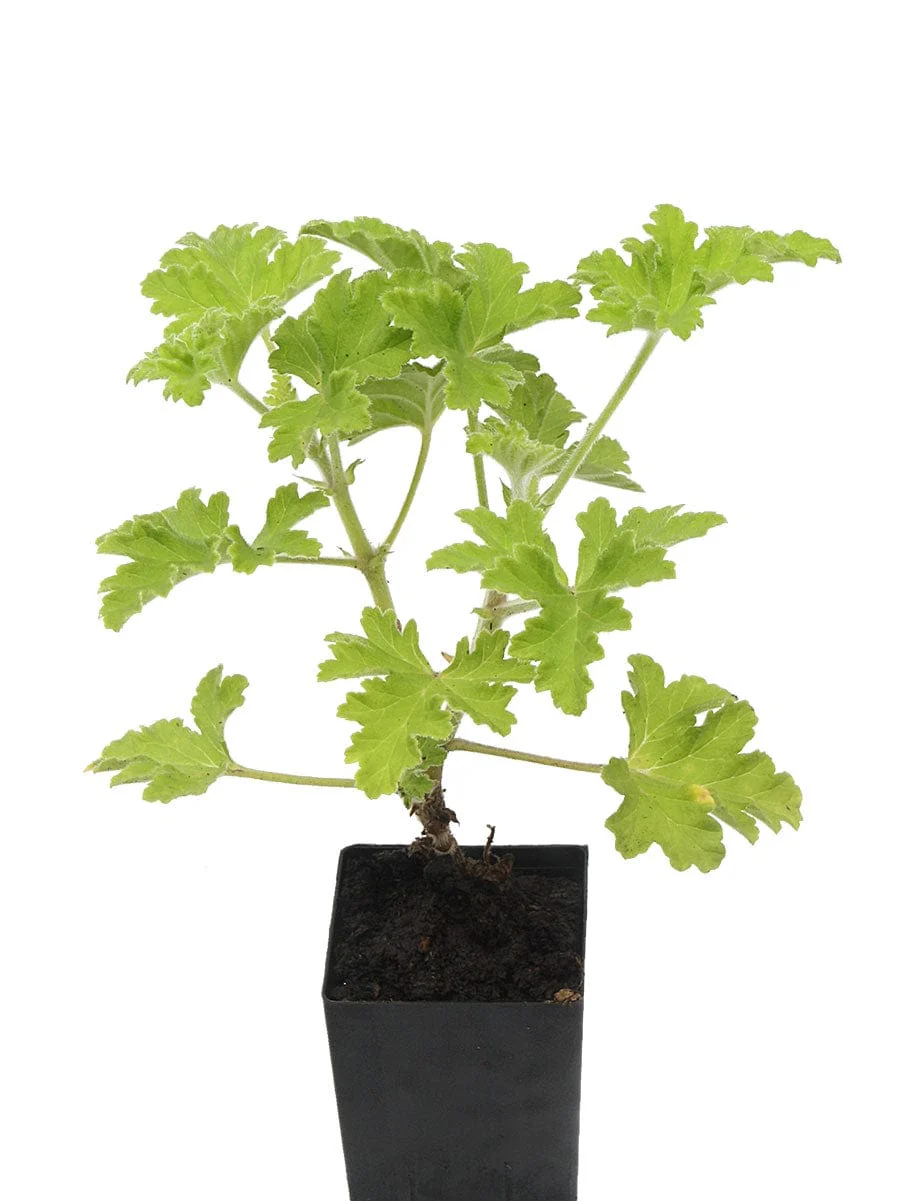
Scented Geranium 'Attar of Rose'

Usually available: April to November
Life cycle: Perennial
Height: 30 - 90cm
Position: Sun/part shade
Soil preference: Well-drained
This is how we pack and send your Herb Plants to all states except TAS & WA
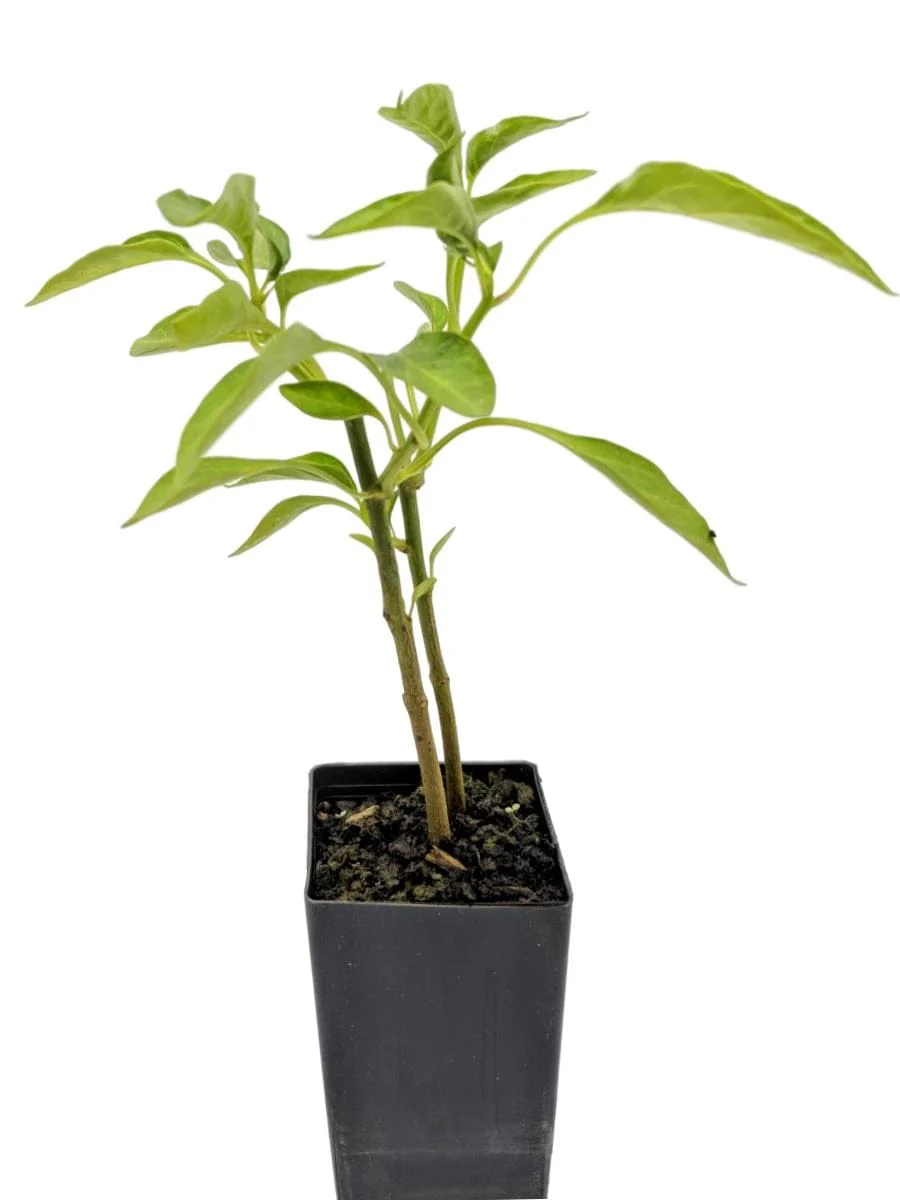
You will receive
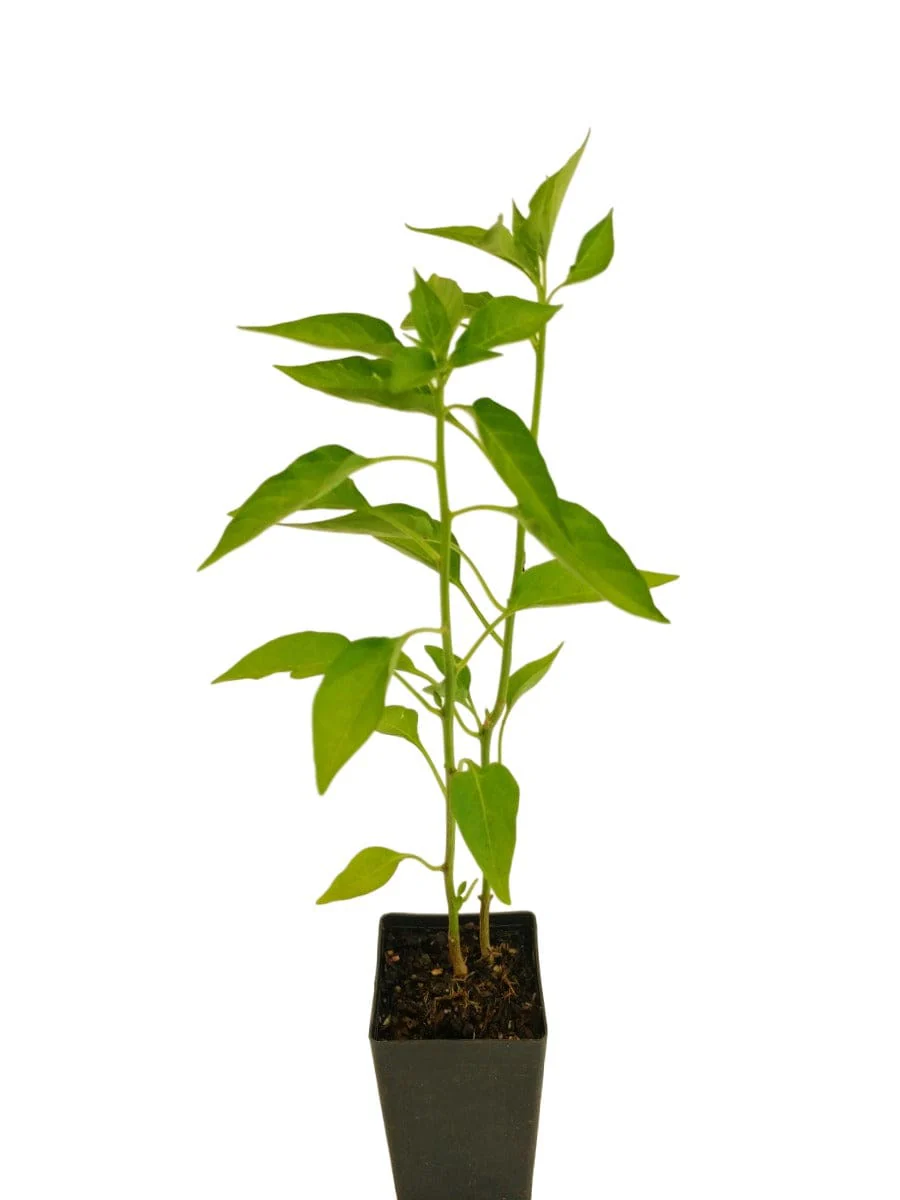
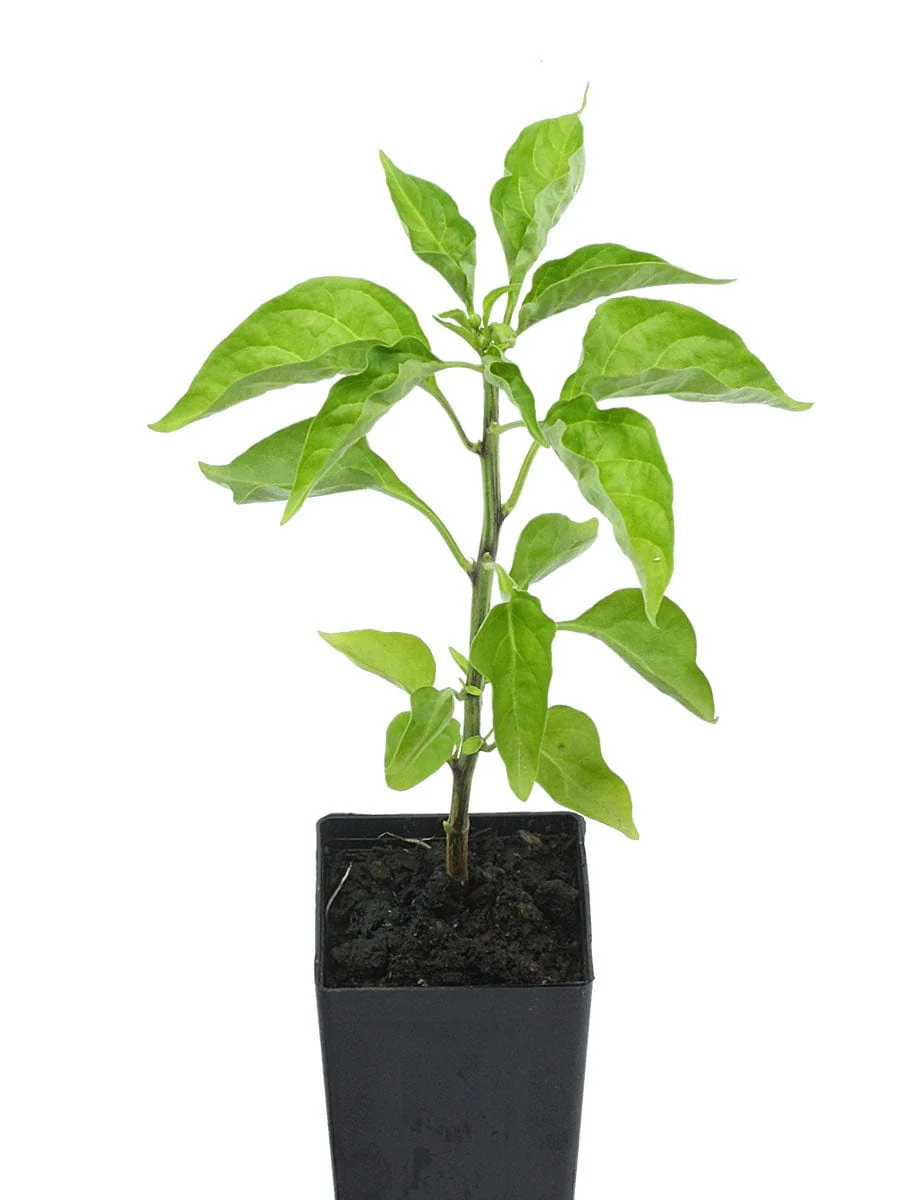
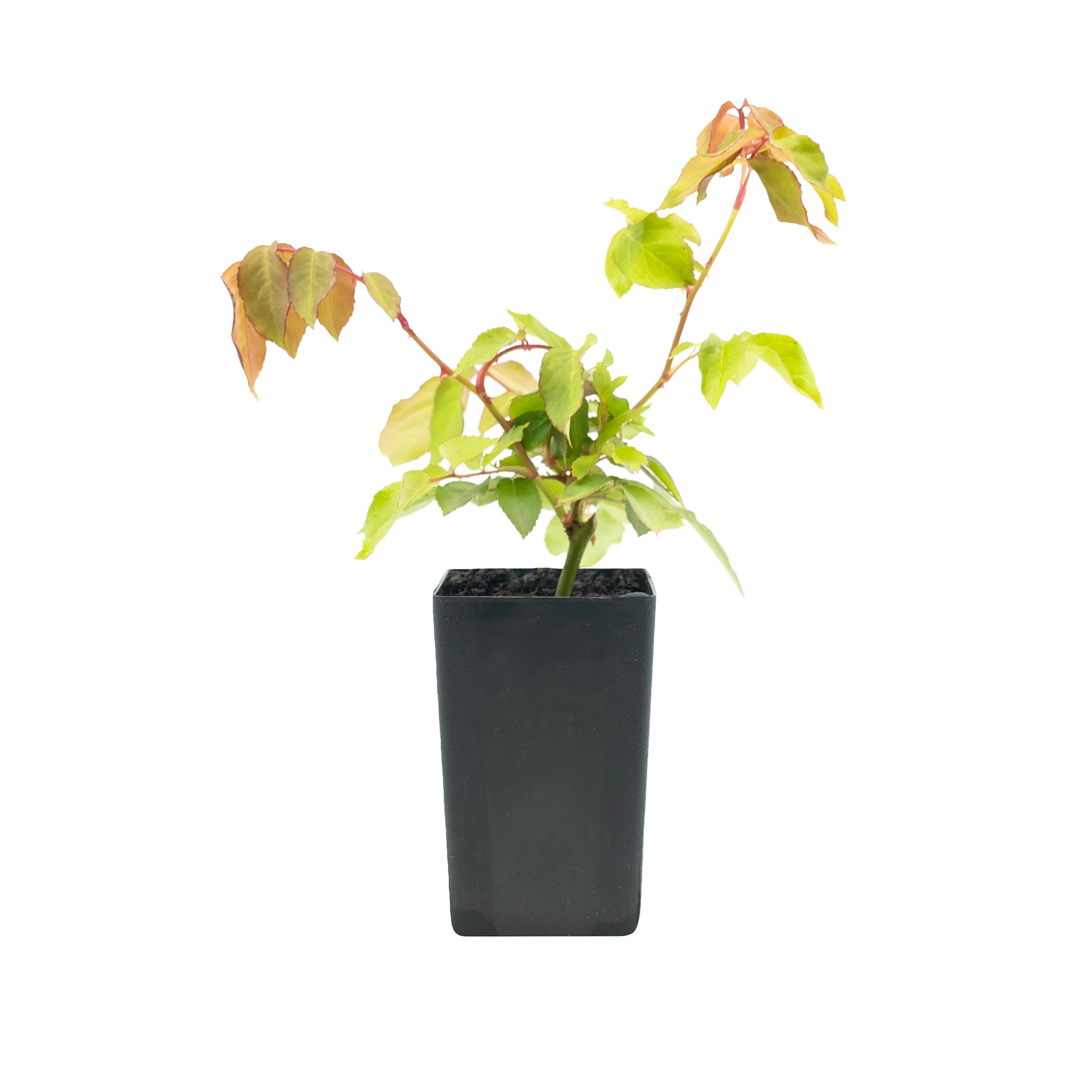
- 1 Scented Geranium Capitatum Herb Plant in a 50 X 75mm tube - General growing instructions
All of our Herb Plants are grown organically with certified organic potting mixes and fertilisers
Botanical Name: Pelargonium capitatum ‘Attar of Rose’
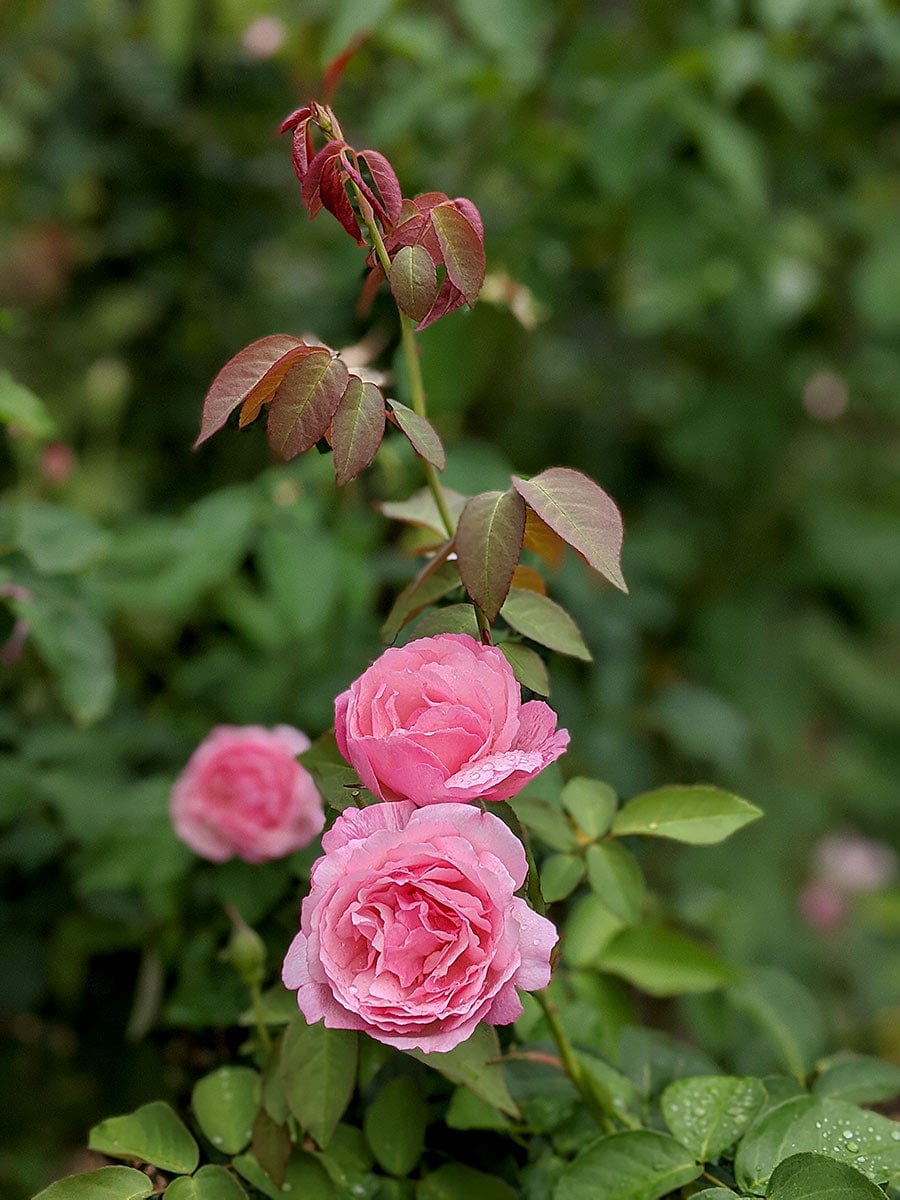
Attar of Rose is a compact, bushy, evergreen scented pelargonium typically 60–80 cm high and 60–90 cm wide. Young growth is herbaceous, becoming semi-woody with age. Stems and leaves are softly hairy with many glandular hairs that give a velvety feel. Leaves are mid-green, rounded to shallowly lobed (less deeply cut than many rose types) and release a soft, lightly old-rose fragrance when brushed. Flowers are pale pink to mauve-pink with fine, darker markings on the upper petals, held in small, rounded clusters (pseudo-umbels). Peak flowering is in spring, with blooms appearing from late winter into summer in mild climates.
History
The genus name Pelargonium comes from the Greek pelargos (stork), a reference to the stork-bill shape of the fruit. The species epithet capitatum means “head-like”, describing the rounded flower clusters. The cultivar name ‘Attar of Roses’ refers to its classic rose scent reminiscent of rose-otto. The wild forms of P. capitatum are native to coastal South Africa, especially the Western and Eastern Cape. ‘Attar of Roses’ is a long-grown garden selection within the rose-scented group and is widely cultivated for its reliable fragrance and neat habit.
Growing Conditions
-
Light: Full sun to light shade. In hot, dry positions a little afternoon shade keeps foliage fresh.
-
Soil: Free-draining soil is essential. Tolerates sandy or poorer soils; avoid heavy, waterlogged ground.
-
Water: Moderate. Water when the top few centimetres of soil are dry; allow to dry slightly between waterings.
-
Feeding: Light feeders. Use a balanced, low-to-moderate-nitrogen fertiliser in spring and mid-summer.
-
Pruning: Tip-prune regularly to keep a dense mound. Harder trims after the main spring flush maintain shape.
-
Climate: Frost-tender. Performs very well in SE Queensland/Gold Coast conditions; protect from cold snaps inland.
-
Containers: Excellent in pots and hanging baskets with a free-draining mix.
-
Propagation: Tip or semi-ripe stem cuttings in spring to early autumn strike readily.
Culinary Uses
Leaves are suitable for gentle flavouring. Use sparingly and only from unsprayed plants:
-
Line cake tins or sugar jars to impart a rose fragrance.
-
Infuse syrups, custards, creams or compotes, then remove the leaves before serving.
-
Make a light herbal tea: 3 tsp fresh chopped leaves (or 1 tsp dried) per 250 ml boiling water; steep 5–7 minutes and strain.
Note: The flavour is aromatic rather than sweet; a little goes a long way.
Medicinal Uses
Scented pelargoniums have a history of traditional use for mild astringency and mood support. The leaves are used externally in skin-soothing baths or compresses and the aroma is valued in aromatherapy for a balancing, uplifting effect. Evidence is largely traditional; use as supportive care rather than as a primary treatment.
Other Uses
-
Ideal for pot-pourri, sachets and drawer fresheners (dried leaves hold fragrance well).
-
Useful as cut foliage in small posies.
-
Grown historically as a source of rose-like aromatic material; true commercial “geranium oil” is usually from related rose-scented pelargoniums.
All information provided on this website is for informational purposes only. Please seek professional advice before commencing any treatment.
Usually available: April to November
Life cycle: Perennial
Height: 30 - 90cm
Position: Sun/part shade
Soil preference: Well-drained
This is how we pack and send your Herb Plants to all states except TAS & WA
You will receive
- 1 Scented Geranium Capitatum Herb Plant in a 50 X 75mm tube - General growing instructions
All of our Herb Plants are grown organically with certified organic potting mixes and fertilisers
Botanical Name: Pelargonium capitatum ‘Attar of Rose’
Attar of Rose is a compact, bushy, evergreen scented pelargonium typically 60–80 cm high and 60–90 cm wide. Young growth is herbaceous, becoming semi-woody with age. Stems and leaves are softly hairy with many glandular hairs that give a velvety feel. Leaves are mid-green, rounded to shallowly lobed (less deeply cut than many rose types) and release a soft, lightly old-rose fragrance when brushed. Flowers are pale pink to mauve-pink with fine, darker markings on the upper petals, held in small, rounded clusters (pseudo-umbels). Peak flowering is in spring, with blooms appearing from late winter into summer in mild climates.
History
The genus name Pelargonium comes from the Greek pelargos (stork), a reference to the stork-bill shape of the fruit. The species epithet capitatum means “head-like”, describing the rounded flower clusters. The cultivar name ‘Attar of Roses’ refers to its classic rose scent reminiscent of rose-otto. The wild forms of P. capitatum are native to coastal South Africa, especially the Western and Eastern Cape. ‘Attar of Roses’ is a long-grown garden selection within the rose-scented group and is widely cultivated for its reliable fragrance and neat habit.
Growing Conditions
-
Light: Full sun to light shade. In hot, dry positions a little afternoon shade keeps foliage fresh.
-
Soil: Free-draining soil is essential. Tolerates sandy or poorer soils; avoid heavy, waterlogged ground.
-
Water: Moderate. Water when the top few centimetres of soil are dry; allow to dry slightly between waterings.
-
Feeding: Light feeders. Use a balanced, low-to-moderate-nitrogen fertiliser in spring and mid-summer.
-
Pruning: Tip-prune regularly to keep a dense mound. Harder trims after the main spring flush maintain shape.
-
Climate: Frost-tender. Performs very well in SE Queensland/Gold Coast conditions; protect from cold snaps inland.
-
Containers: Excellent in pots and hanging baskets with a free-draining mix.
-
Propagation: Tip or semi-ripe stem cuttings in spring to early autumn strike readily.
Culinary Uses
Leaves are suitable for gentle flavouring. Use sparingly and only from unsprayed plants:
-
Line cake tins or sugar jars to impart a rose fragrance.
-
Infuse syrups, custards, creams or compotes, then remove the leaves before serving.
-
Make a light herbal tea: 3 tsp fresh chopped leaves (or 1 tsp dried) per 250 ml boiling water; steep 5–7 minutes and strain.
Note: The flavour is aromatic rather than sweet; a little goes a long way.
Medicinal Uses
Scented pelargoniums have a history of traditional use for mild astringency and mood support. The leaves are used externally in skin-soothing baths or compresses and the aroma is valued in aromatherapy for a balancing, uplifting effect. Evidence is largely traditional; use as supportive care rather than as a primary treatment.
Other Uses
-
Ideal for pot-pourri, sachets and drawer fresheners (dried leaves hold fragrance well).
-
Useful as cut foliage in small posies.
-
Grown historically as a source of rose-like aromatic material; true commercial “geranium oil” is usually from related rose-scented pelargoniums.
All information provided on this website is for informational purposes only. Please seek professional advice before commencing any treatment.
Description
Usually available: April to November
Life cycle: Perennial
Height: 30 - 90cm
Position: Sun/part shade
Soil preference: Well-drained
This is how we pack and send your Herb Plants to all states except TAS & WA
You will receive
- 1 Scented Geranium Capitatum Herb Plant in a 50 X 75mm tube - General growing instructions
All of our Herb Plants are grown organically with certified organic potting mixes and fertilisers
Botanical Name: Pelargonium capitatum ‘Attar of Rose’
Attar of Rose is a compact, bushy, evergreen scented pelargonium typically 60–80 cm high and 60–90 cm wide. Young growth is herbaceous, becoming semi-woody with age. Stems and leaves are softly hairy with many glandular hairs that give a velvety feel. Leaves are mid-green, rounded to shallowly lobed (less deeply cut than many rose types) and release a soft, lightly old-rose fragrance when brushed. Flowers are pale pink to mauve-pink with fine, darker markings on the upper petals, held in small, rounded clusters (pseudo-umbels). Peak flowering is in spring, with blooms appearing from late winter into summer in mild climates.
History
The genus name Pelargonium comes from the Greek pelargos (stork), a reference to the stork-bill shape of the fruit. The species epithet capitatum means “head-like”, describing the rounded flower clusters. The cultivar name ‘Attar of Roses’ refers to its classic rose scent reminiscent of rose-otto. The wild forms of P. capitatum are native to coastal South Africa, especially the Western and Eastern Cape. ‘Attar of Roses’ is a long-grown garden selection within the rose-scented group and is widely cultivated for its reliable fragrance and neat habit.
Growing Conditions
-
Light: Full sun to light shade. In hot, dry positions a little afternoon shade keeps foliage fresh.
-
Soil: Free-draining soil is essential. Tolerates sandy or poorer soils; avoid heavy, waterlogged ground.
-
Water: Moderate. Water when the top few centimetres of soil are dry; allow to dry slightly between waterings.
-
Feeding: Light feeders. Use a balanced, low-to-moderate-nitrogen fertiliser in spring and mid-summer.
-
Pruning: Tip-prune regularly to keep a dense mound. Harder trims after the main spring flush maintain shape.
-
Climate: Frost-tender. Performs very well in SE Queensland/Gold Coast conditions; protect from cold snaps inland.
-
Containers: Excellent in pots and hanging baskets with a free-draining mix.
-
Propagation: Tip or semi-ripe stem cuttings in spring to early autumn strike readily.
Culinary Uses
Leaves are suitable for gentle flavouring. Use sparingly and only from unsprayed plants:
-
Line cake tins or sugar jars to impart a rose fragrance.
-
Infuse syrups, custards, creams or compotes, then remove the leaves before serving.
-
Make a light herbal tea: 3 tsp fresh chopped leaves (or 1 tsp dried) per 250 ml boiling water; steep 5–7 minutes and strain.
Note: The flavour is aromatic rather than sweet; a little goes a long way.
Medicinal Uses
Scented pelargoniums have a history of traditional use for mild astringency and mood support. The leaves are used externally in skin-soothing baths or compresses and the aroma is valued in aromatherapy for a balancing, uplifting effect. Evidence is largely traditional; use as supportive care rather than as a primary treatment.
Other Uses
-
Ideal for pot-pourri, sachets and drawer fresheners (dried leaves hold fragrance well).
-
Useful as cut foliage in small posies.
-
Grown historically as a source of rose-like aromatic material; true commercial “geranium oil” is usually from related rose-scented pelargoniums.
All information provided on this website is for informational purposes only. Please seek professional advice before commencing any treatment.