Angelica Root
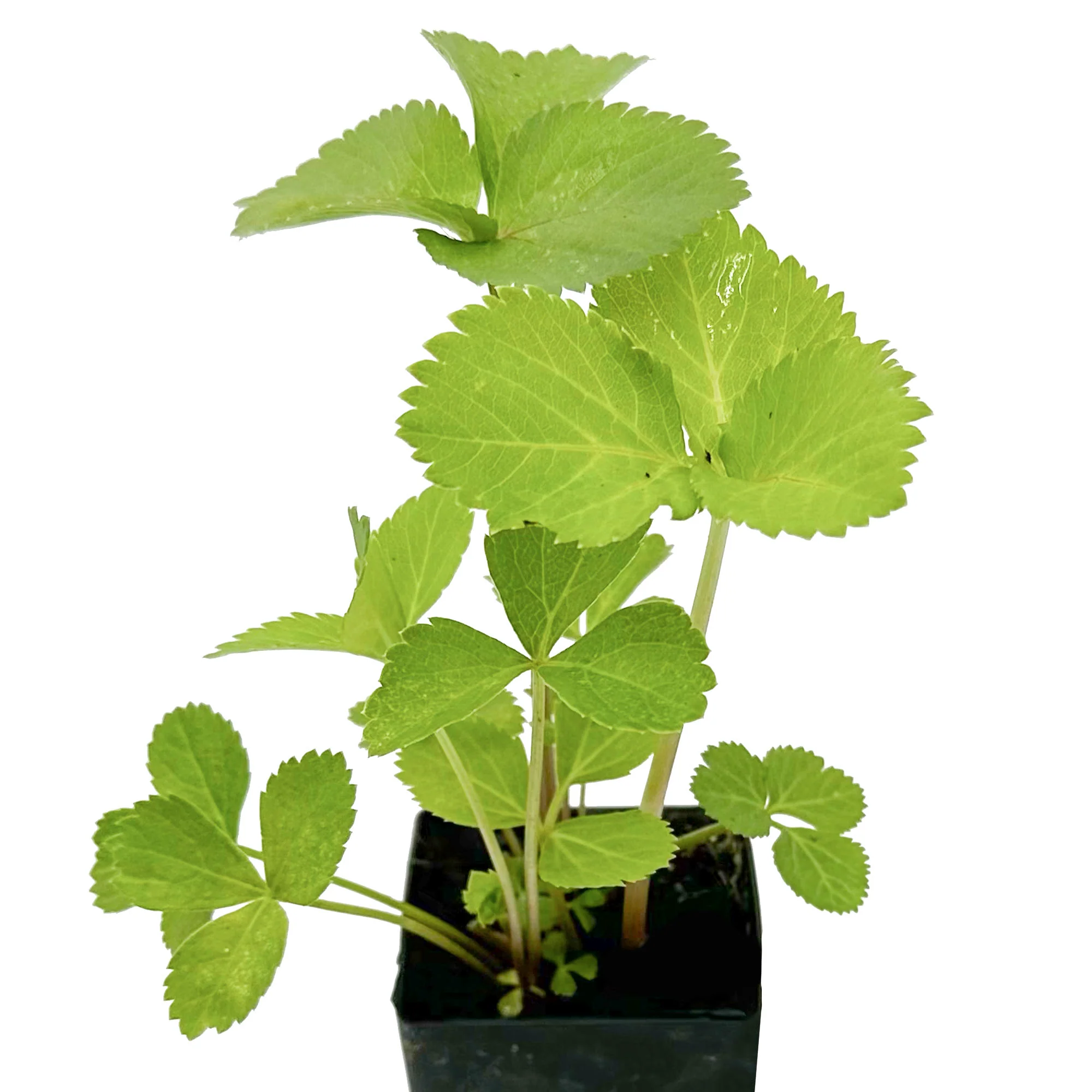
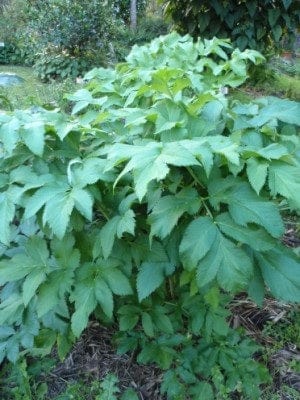
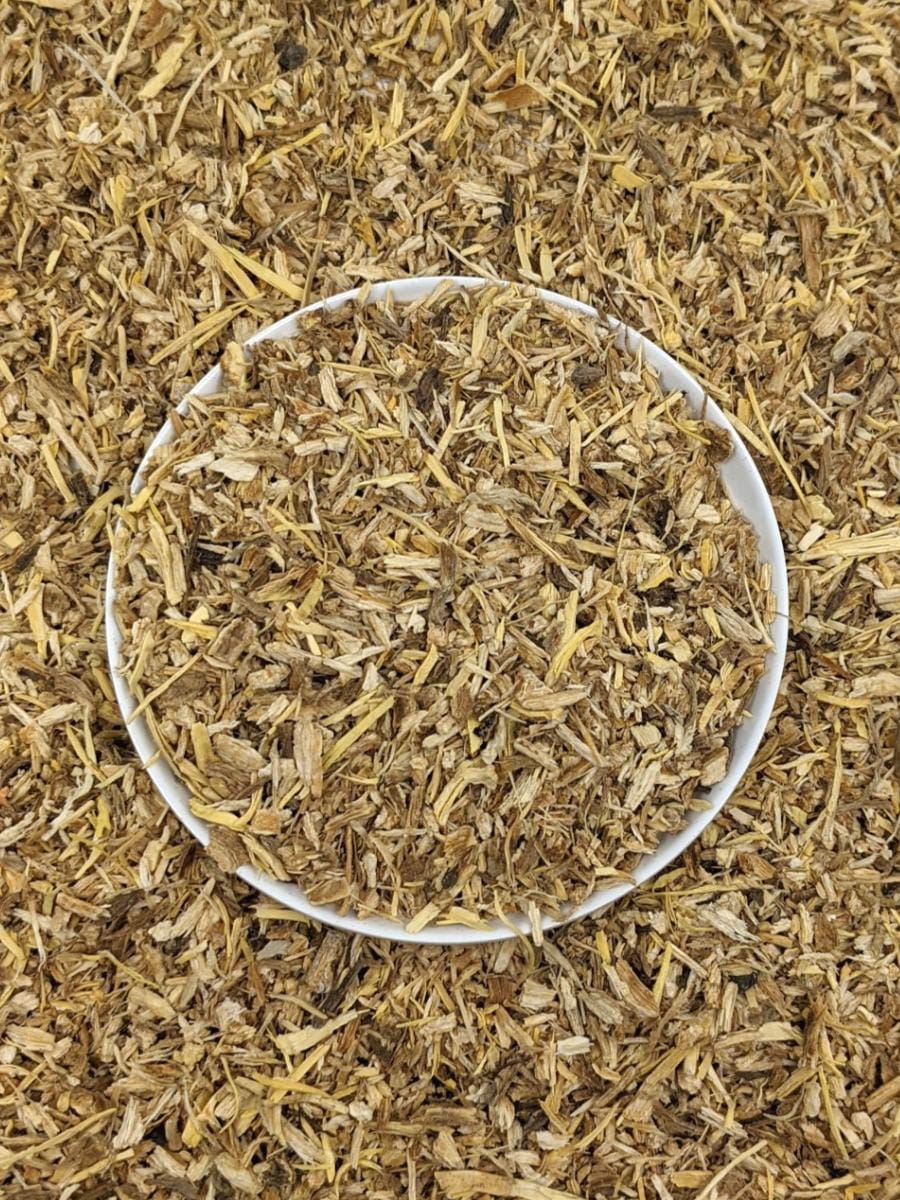
Angelica root (Angelica archangelica) is one of the great aromatic bitters of the European herbal tradition, prized for its complex, musk-like fragrance and its long history of use in digestive tonics, liqueurs, and traditional remedies. The dried root delivers a layered flavour profile, bitter and warming on the palate, with earthy, resinous, and faintly celery-like undertones, making it a favourite among herbalists, home brewers, and craft gin enthusiasts alike. This is certified organic dried root, cut and sifted for use in decoctions, bitters blends, and botanical infusions.
Key Benefits
- Digestive bitter support: Traditionally used to help relieve occasional bloating, flatulence, and mild digestive discomfort, particularly when digestion feels sluggish or heavy after meals.
- Appetite and digestive secretion: The bitter constituents in angelica root have traditionally been used as a bitter tonic to stimulate appetite and support normal digestive secretion, including bile flow.
- Respiratory support: Traditionally used in Western herbal medicine to support healthy upper respiratory tract function, including the maintenance of clear airways.
- Warming circulatory action: Valued in traditional herbal practice for supporting healthy peripheral circulation and maintaining warmth in the extremities during cold conditions.
- Craft brewing and distilling: A key botanical in gin, Chartreuse, and Bénédictine, angelica root functions as a natural fixative that binds and extends the aromatic character of other botanicals in distilled spirits and homemade bitters.
- Rich phytochemical profile: Contains furanocoumarins, volatile essential oils, phthalides, and phenolic antioxidants, contributing to its characteristic aroma, bitter taste, and traditional therapeutic value.
Decoction (recommended for dried root): Add 1–2 teaspoons of cut dried root to 500ml of cold water. Bring to the boil, reduce heat, and simmer covered for 15–20 minutes. Remove from heat and steep for a further 10 minutes before straining. Keep the lid on throughout to preserve the volatile aromatics. Drink one cup before meals, up to 2–3 times daily. Angelica root's intensely bitter character blends well with Licorice Sticks or a pinch of fennel seed to improve palatability.
Digestive bitters blend: Combine with complementary warming digestive herbs. Angelica root pairs naturally with ginger, fennel, and Yellow Dock in a pre-meal bitters preparation. Steep the blend in 40–50% ethanol (brandy or vodka) for 4–6 weeks, then strain and dose at 1–2ml before meals.
Brewing and distilling: Use 5–10g of dried angelica root per batch when cold-compounding botanical spirits or crafting homemade herbal liqueurs. Angelica acts as a fixative, helping bind and extend the aromatic life of other botanicals in the blend. It pairs particularly well with juniper, coriander seed, and citrus peel.
The name is no accident. According to medieval legend, the Archangel Michael appeared to a monk in a dream and revealed angelica root as a remedy against bubonic plague, leading to its use across plague-ravaged Europe in the 14th and 15th centuries. Its common name "Holy Ghost Root" and botanical name archangelica both trace directly to this story.
Among Norse and Sámi peoples, this plant was far more than a medicine, it was a food crop. Known as kvann, the stems and roots were eaten to prevent scurvy through long Arctic winters, centuries before citrus fruits reached Northern Europe. Iceland once had dedicated angelica gardens on farmsteads, and the tradition is still remembered there with genuine cultural fondness.
Angelica root is one of the four core botanicals in London Dry Gin (alongside juniper, coriander seed, and orris root), where it serves as a fixative that anchors and prolongs the delicate floral and citrus notes in the finished spirit. It also appears in Chartreuse, Bénédictine, and traditional absinthe recipes, a quiet cornerstone of European herbal liqueur tradition for over 400 years.
Angelica root contains furanocoumarins, which can cause severe photosensitisation (skin burning, blistering, and lasting pigmentation changes) if skin is exposed to sunlight or UV after contact with the herb, particularly in powdered form. Wash hands thoroughly after handling. This is an especially important consideration in Australia's high UV environment. Angelica root is contraindicated in pregnancy due to documented emmenagogue and uterotonic properties. It may interact with anticoagulant medications including warfarin, discontinue use at least two weeks before surgery. Keep out of reach of pets: angelica root may be toxic to dogs and cats. If a pet ingests this product, contact your veterinarian or the Animal Poisons Helpline (1300 869 738) immediately. This information is not a substitute for medical advice. Consult a healthcare provider before use, especially if pregnant, breastfeeding, or taking medication.
Angelica root (Angelica archangelica) is one of the great aromatic bitters of the European herbal tradition, prized for its complex, musk-like fragrance and its long history of use in digestive tonics, liqueurs, and traditional remedies. The dried root delivers a layered flavour profile, bitter and warming on the palate, with earthy, resinous, and faintly celery-like undertones, making it a favourite among herbalists, home brewers, and craft gin enthusiasts alike. This is certified organic dried root, cut and sifted for use in decoctions, bitters blends, and botanical infusions.
Key Benefits
- Digestive bitter support: Traditionally used to help relieve occasional bloating, flatulence, and mild digestive discomfort, particularly when digestion feels sluggish or heavy after meals.
- Appetite and digestive secretion: The bitter constituents in angelica root have traditionally been used as a bitter tonic to stimulate appetite and support normal digestive secretion, including bile flow.
- Respiratory support: Traditionally used in Western herbal medicine to support healthy upper respiratory tract function, including the maintenance of clear airways.
- Warming circulatory action: Valued in traditional herbal practice for supporting healthy peripheral circulation and maintaining warmth in the extremities during cold conditions.
- Craft brewing and distilling: A key botanical in gin, Chartreuse, and Bénédictine, angelica root functions as a natural fixative that binds and extends the aromatic character of other botanicals in distilled spirits and homemade bitters.
- Rich phytochemical profile: Contains furanocoumarins, volatile essential oils, phthalides, and phenolic antioxidants, contributing to its characteristic aroma, bitter taste, and traditional therapeutic value.
Decoction (recommended for dried root): Add 1–2 teaspoons of cut dried root to 500ml of cold water. Bring to the boil, reduce heat, and simmer covered for 15–20 minutes. Remove from heat and steep for a further 10 minutes before straining. Keep the lid on throughout to preserve the volatile aromatics. Drink one cup before meals, up to 2–3 times daily. Angelica root's intensely bitter character blends well with Licorice Sticks or a pinch of fennel seed to improve palatability.
Digestive bitters blend: Combine with complementary warming digestive herbs. Angelica root pairs naturally with ginger, fennel, and Yellow Dock in a pre-meal bitters preparation. Steep the blend in 40–50% ethanol (brandy or vodka) for 4–6 weeks, then strain and dose at 1–2ml before meals.
Brewing and distilling: Use 5–10g of dried angelica root per batch when cold-compounding botanical spirits or crafting homemade herbal liqueurs. Angelica acts as a fixative, helping bind and extend the aromatic life of other botanicals in the blend. It pairs particularly well with juniper, coriander seed, and citrus peel.
The name is no accident. According to medieval legend, the Archangel Michael appeared to a monk in a dream and revealed angelica root as a remedy against bubonic plague, leading to its use across plague-ravaged Europe in the 14th and 15th centuries. Its common name "Holy Ghost Root" and botanical name archangelica both trace directly to this story.
Among Norse and Sámi peoples, this plant was far more than a medicine, it was a food crop. Known as kvann, the stems and roots were eaten to prevent scurvy through long Arctic winters, centuries before citrus fruits reached Northern Europe. Iceland once had dedicated angelica gardens on farmsteads, and the tradition is still remembered there with genuine cultural fondness.
Angelica root is one of the four core botanicals in London Dry Gin (alongside juniper, coriander seed, and orris root), where it serves as a fixative that anchors and prolongs the delicate floral and citrus notes in the finished spirit. It also appears in Chartreuse, Bénédictine, and traditional absinthe recipes, a quiet cornerstone of European herbal liqueur tradition for over 400 years.
Angelica root contains furanocoumarins, which can cause severe photosensitisation (skin burning, blistering, and lasting pigmentation changes) if skin is exposed to sunlight or UV after contact with the herb, particularly in powdered form. Wash hands thoroughly after handling. This is an especially important consideration in Australia's high UV environment. Angelica root is contraindicated in pregnancy due to documented emmenagogue and uterotonic properties. It may interact with anticoagulant medications including warfarin, discontinue use at least two weeks before surgery. Keep out of reach of pets: angelica root may be toxic to dogs and cats. If a pet ingests this product, contact your veterinarian or the Animal Poisons Helpline (1300 869 738) immediately. This information is not a substitute for medical advice. Consult a healthcare provider before use, especially if pregnant, breastfeeding, or taking medication.
Original: $6.79
-70%$6.79
$2.04Description
Angelica root (Angelica archangelica) is one of the great aromatic bitters of the European herbal tradition, prized for its complex, musk-like fragrance and its long history of use in digestive tonics, liqueurs, and traditional remedies. The dried root delivers a layered flavour profile, bitter and warming on the palate, with earthy, resinous, and faintly celery-like undertones, making it a favourite among herbalists, home brewers, and craft gin enthusiasts alike. This is certified organic dried root, cut and sifted for use in decoctions, bitters blends, and botanical infusions.
Key Benefits
- Digestive bitter support: Traditionally used to help relieve occasional bloating, flatulence, and mild digestive discomfort, particularly when digestion feels sluggish or heavy after meals.
- Appetite and digestive secretion: The bitter constituents in angelica root have traditionally been used as a bitter tonic to stimulate appetite and support normal digestive secretion, including bile flow.
- Respiratory support: Traditionally used in Western herbal medicine to support healthy upper respiratory tract function, including the maintenance of clear airways.
- Warming circulatory action: Valued in traditional herbal practice for supporting healthy peripheral circulation and maintaining warmth in the extremities during cold conditions.
- Craft brewing and distilling: A key botanical in gin, Chartreuse, and Bénédictine, angelica root functions as a natural fixative that binds and extends the aromatic character of other botanicals in distilled spirits and homemade bitters.
- Rich phytochemical profile: Contains furanocoumarins, volatile essential oils, phthalides, and phenolic antioxidants, contributing to its characteristic aroma, bitter taste, and traditional therapeutic value.
Decoction (recommended for dried root): Add 1–2 teaspoons of cut dried root to 500ml of cold water. Bring to the boil, reduce heat, and simmer covered for 15–20 minutes. Remove from heat and steep for a further 10 minutes before straining. Keep the lid on throughout to preserve the volatile aromatics. Drink one cup before meals, up to 2–3 times daily. Angelica root's intensely bitter character blends well with Licorice Sticks or a pinch of fennel seed to improve palatability.
Digestive bitters blend: Combine with complementary warming digestive herbs. Angelica root pairs naturally with ginger, fennel, and Yellow Dock in a pre-meal bitters preparation. Steep the blend in 40–50% ethanol (brandy or vodka) for 4–6 weeks, then strain and dose at 1–2ml before meals.
Brewing and distilling: Use 5–10g of dried angelica root per batch when cold-compounding botanical spirits or crafting homemade herbal liqueurs. Angelica acts as a fixative, helping bind and extend the aromatic life of other botanicals in the blend. It pairs particularly well with juniper, coriander seed, and citrus peel.
The name is no accident. According to medieval legend, the Archangel Michael appeared to a monk in a dream and revealed angelica root as a remedy against bubonic plague, leading to its use across plague-ravaged Europe in the 14th and 15th centuries. Its common name "Holy Ghost Root" and botanical name archangelica both trace directly to this story.
Among Norse and Sámi peoples, this plant was far more than a medicine, it was a food crop. Known as kvann, the stems and roots were eaten to prevent scurvy through long Arctic winters, centuries before citrus fruits reached Northern Europe. Iceland once had dedicated angelica gardens on farmsteads, and the tradition is still remembered there with genuine cultural fondness.
Angelica root is one of the four core botanicals in London Dry Gin (alongside juniper, coriander seed, and orris root), where it serves as a fixative that anchors and prolongs the delicate floral and citrus notes in the finished spirit. It also appears in Chartreuse, Bénédictine, and traditional absinthe recipes, a quiet cornerstone of European herbal liqueur tradition for over 400 years.
Angelica root contains furanocoumarins, which can cause severe photosensitisation (skin burning, blistering, and lasting pigmentation changes) if skin is exposed to sunlight or UV after contact with the herb, particularly in powdered form. Wash hands thoroughly after handling. This is an especially important consideration in Australia's high UV environment. Angelica root is contraindicated in pregnancy due to documented emmenagogue and uterotonic properties. It may interact with anticoagulant medications including warfarin, discontinue use at least two weeks before surgery. Keep out of reach of pets: angelica root may be toxic to dogs and cats. If a pet ingests this product, contact your veterinarian or the Animal Poisons Helpline (1300 869 738) immediately. This information is not a substitute for medical advice. Consult a healthcare provider before use, especially if pregnant, breastfeeding, or taking medication.